
The Haiti Project
A Holistic Approach to Care, Crisis Response, and Long-Term Impact
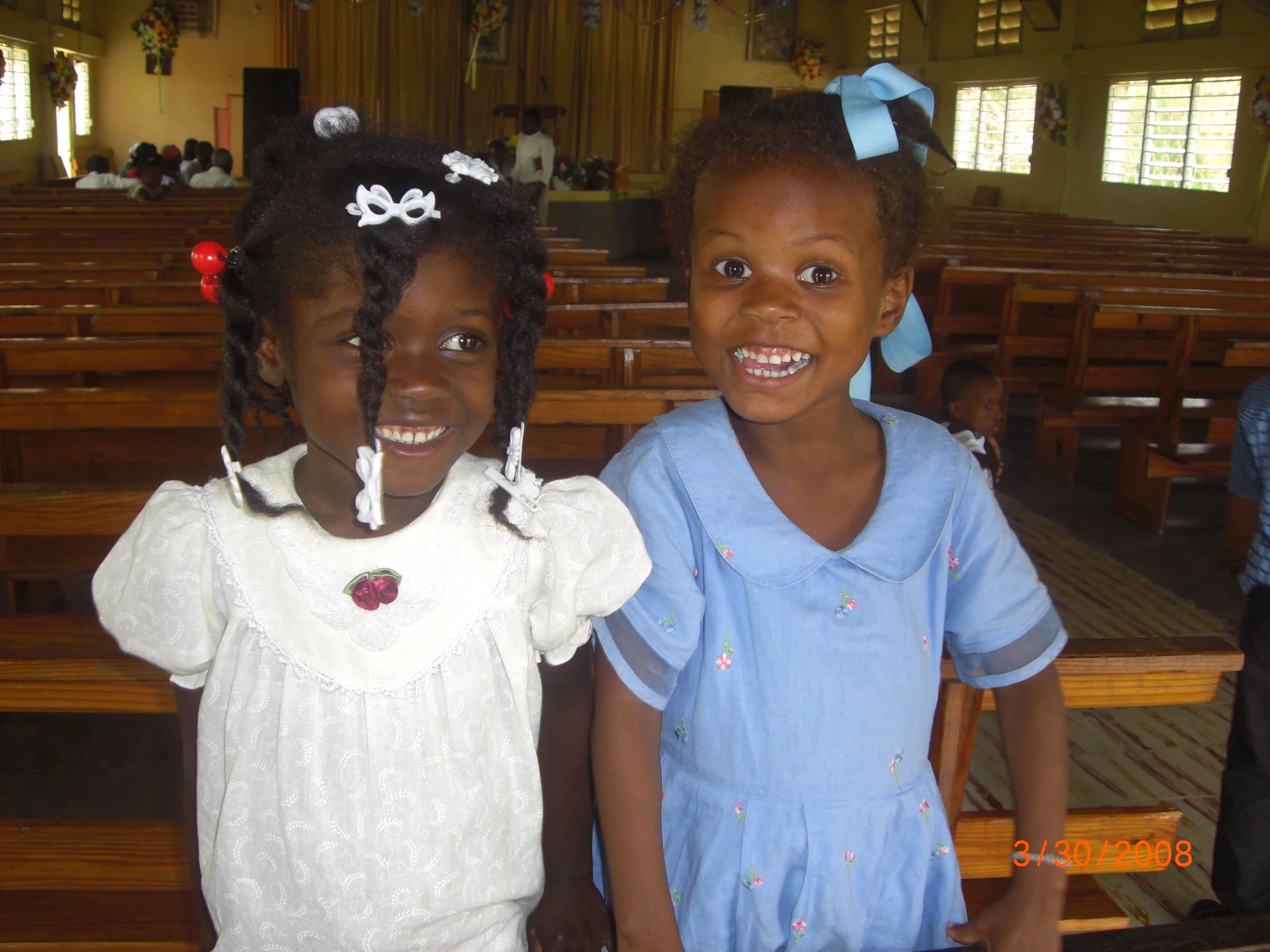
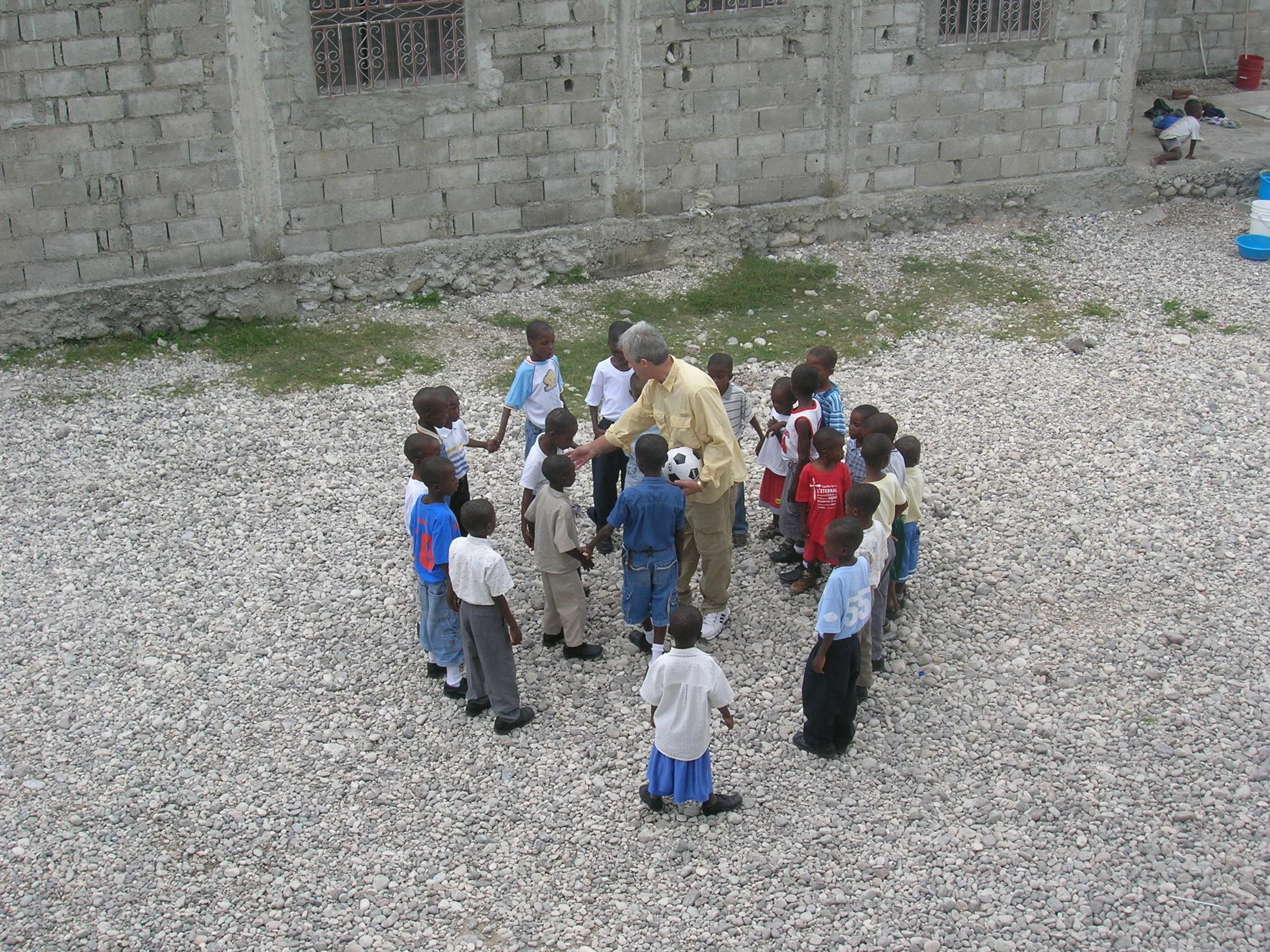
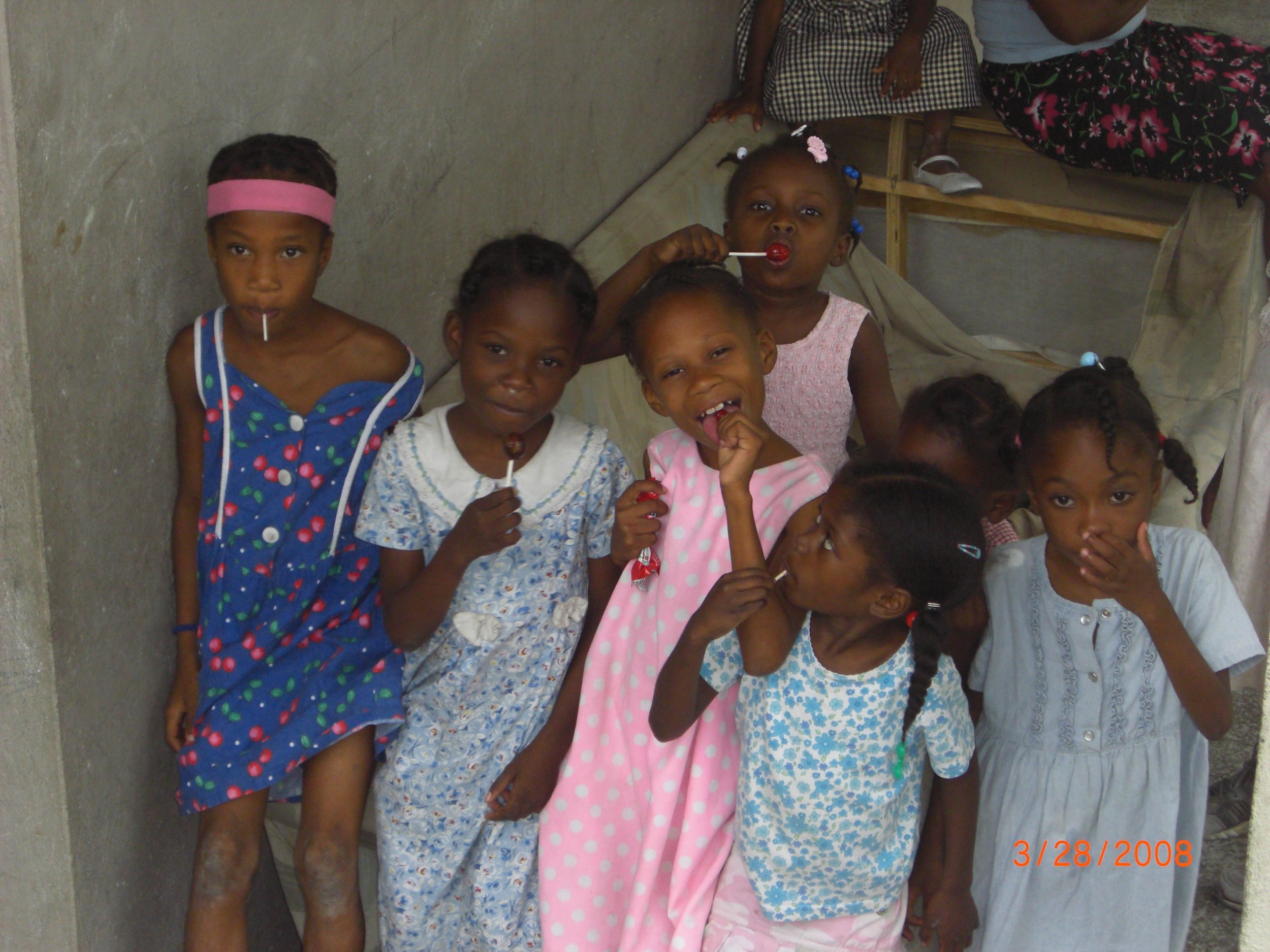
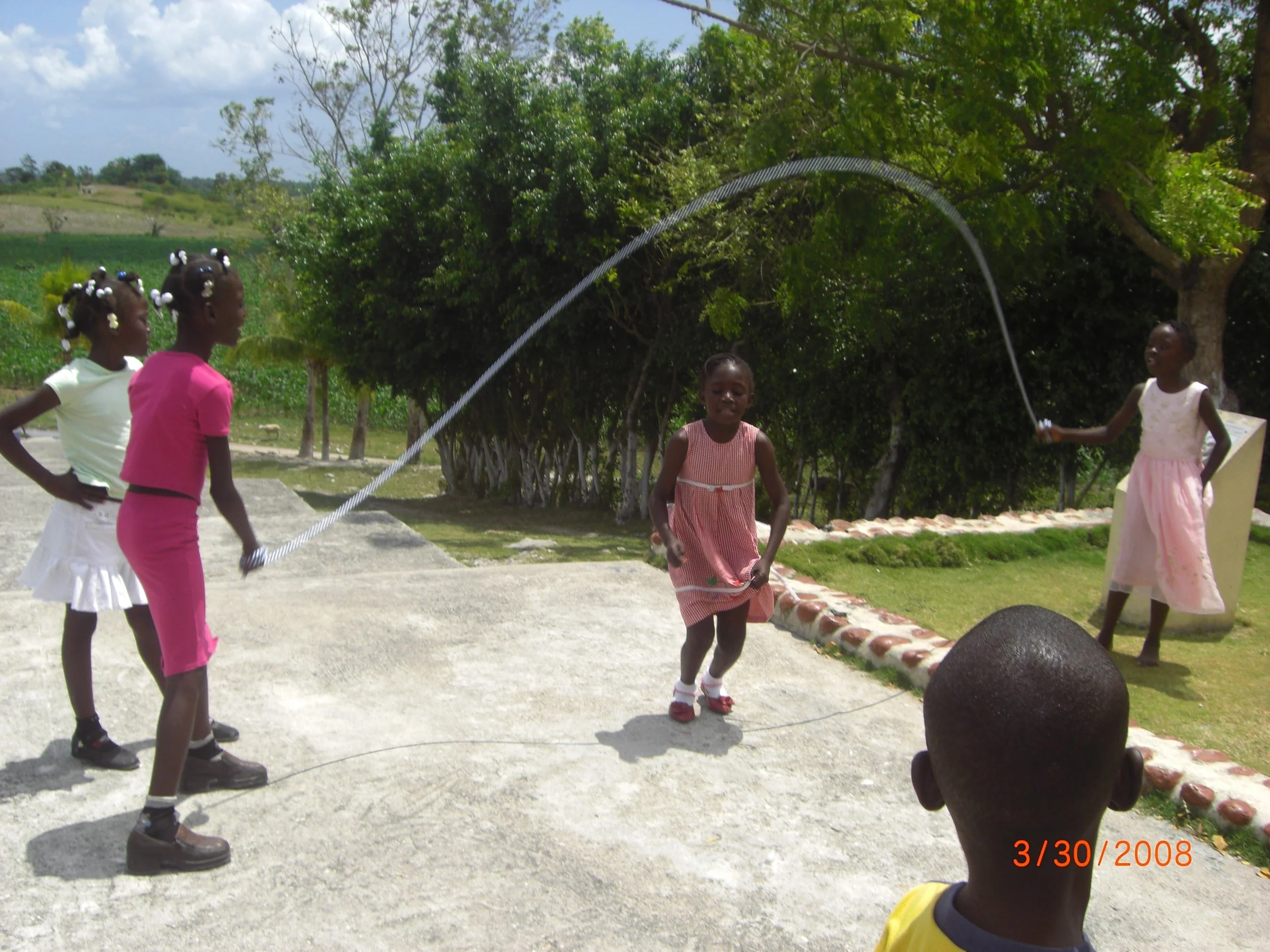
The Haiti Project began in 2008 as a hands-on, partnership-driven effort to address the urgent and complex needs of one of the most vulnerable populations in the Western Hemisphere—abandoned and orphaned children. Led by the Integral Life Foundation (now Solventas Foundation) in collaboration with C3 Missions International and Nueterra Healthcare, the initiative was designed to go beyond short-term aid and instead build a sustainable model of care.
At the time, children under the age of 15 represented nearly 40% of Haiti’s population, with hundreds of thousands living in extreme poverty. Many lacked access to stable housing, healthcare, education, nutrition, and community support. The Haiti Project was created as a comprehensive response—integrating each of these elements to improve both immediate conditions and long-term outcomes.
Building a Foundation for Sustainable Care
Through aligned partnerships and direct engagement on the ground, the Haiti Project delivered a full continuum of support:
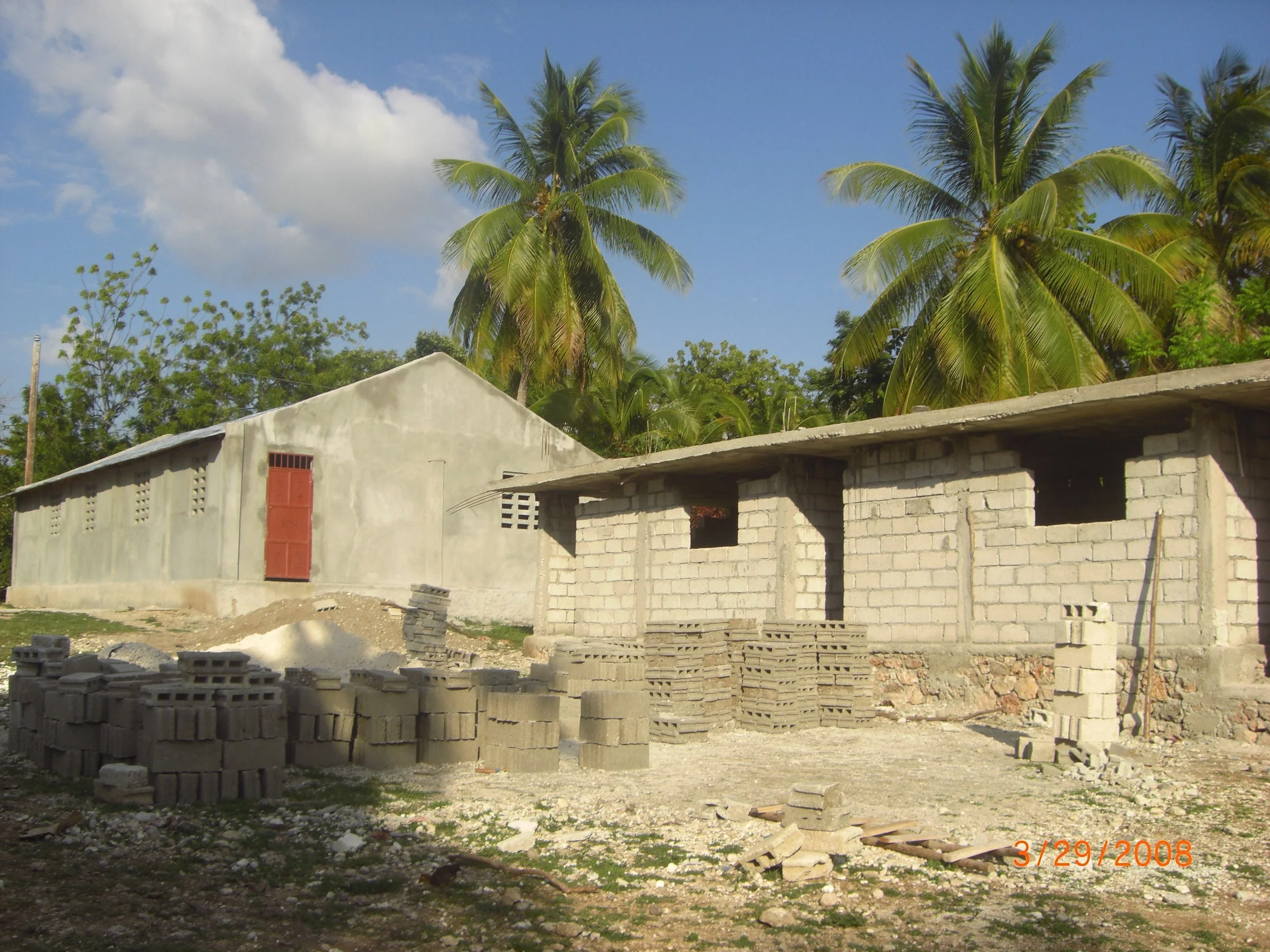
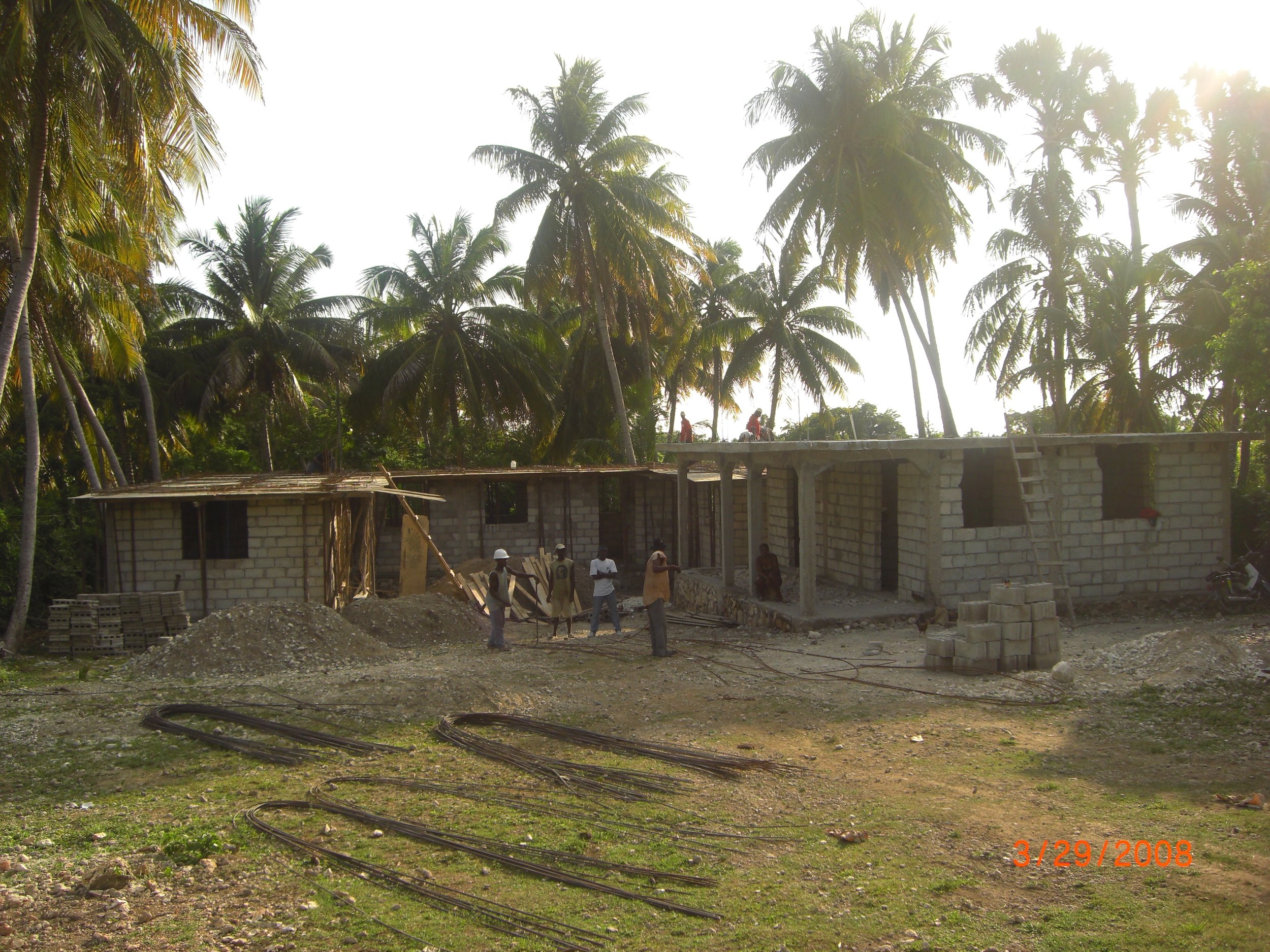
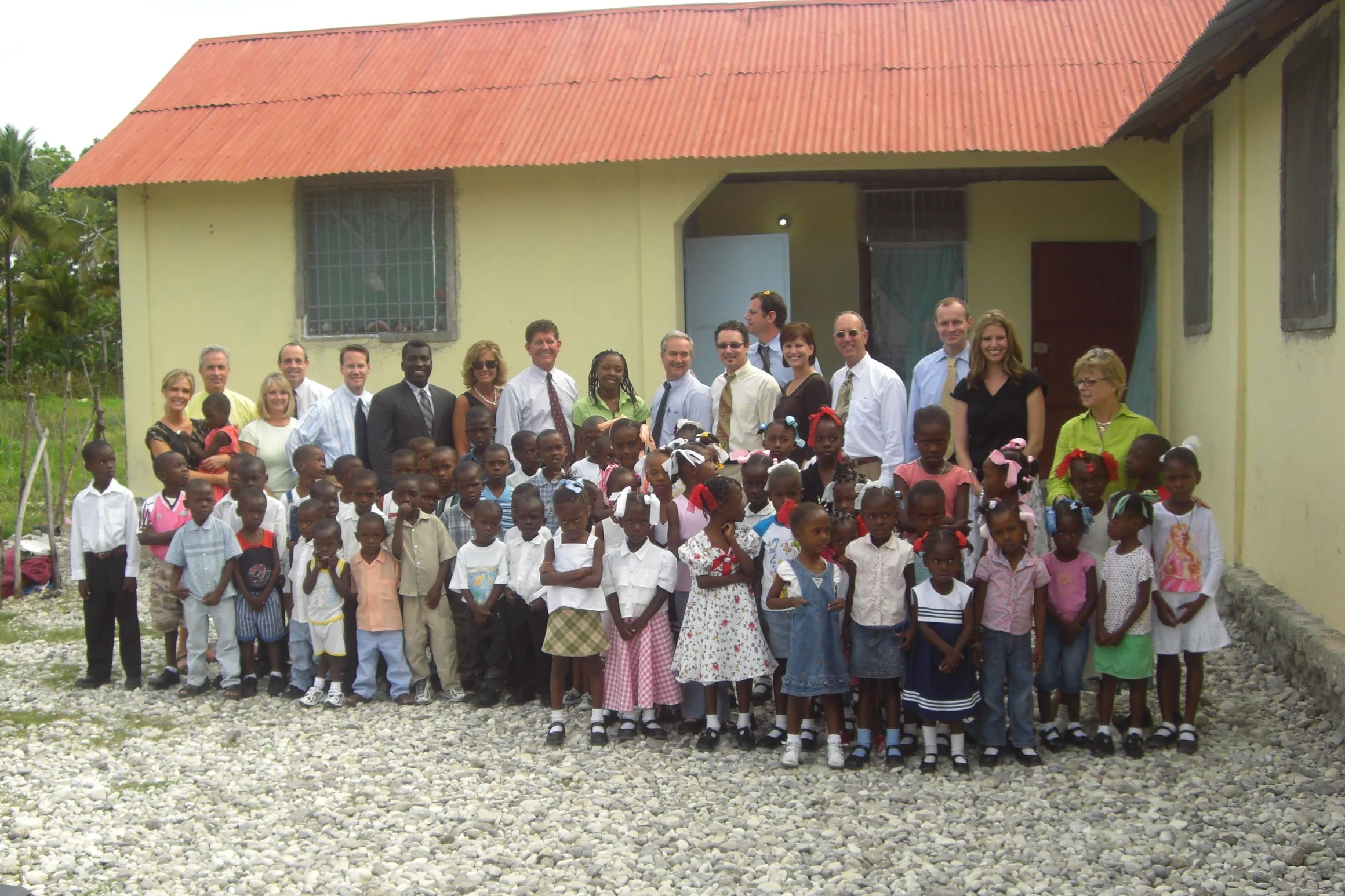
Built and supported orphanages across multiple regions
Established medical clinics, including a completed clinic in Gonaïves and plans for expansion in Jacmel
Delivered primary and specialized care, including surgical services
Provided consistent access to nutrition, education, and faith-based community support
Partnered with local Haitian churches to ensure long-term sustainability and local leadership
As a result, the lives of more than 600 children were significantly improved, with plans to expand care to an additional 900. Beyond direct impact, the project established a scalable model for partnership-driven development in underserved regions.
Responding in a Moment of Crisis: The 2008 Hurricane Season
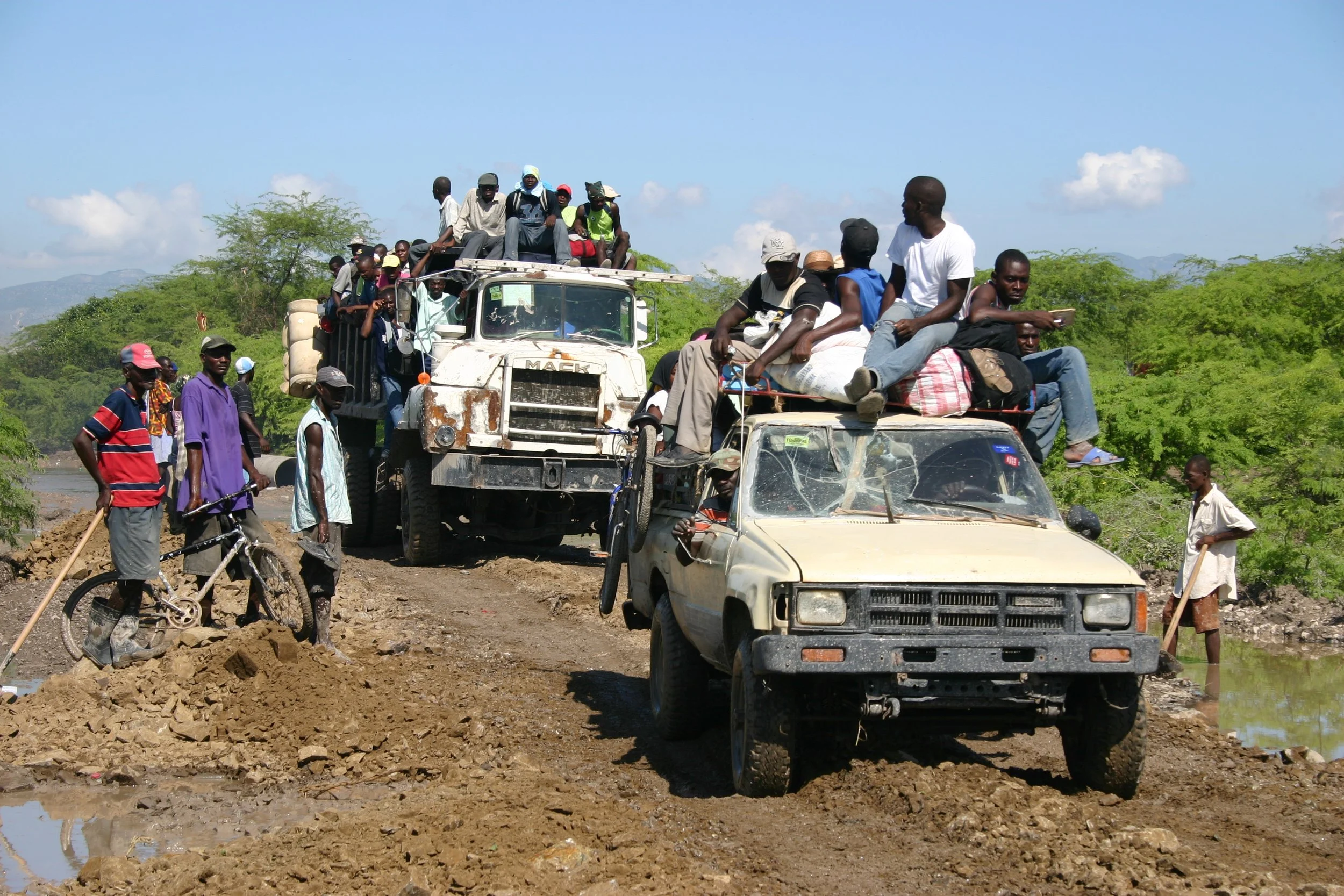
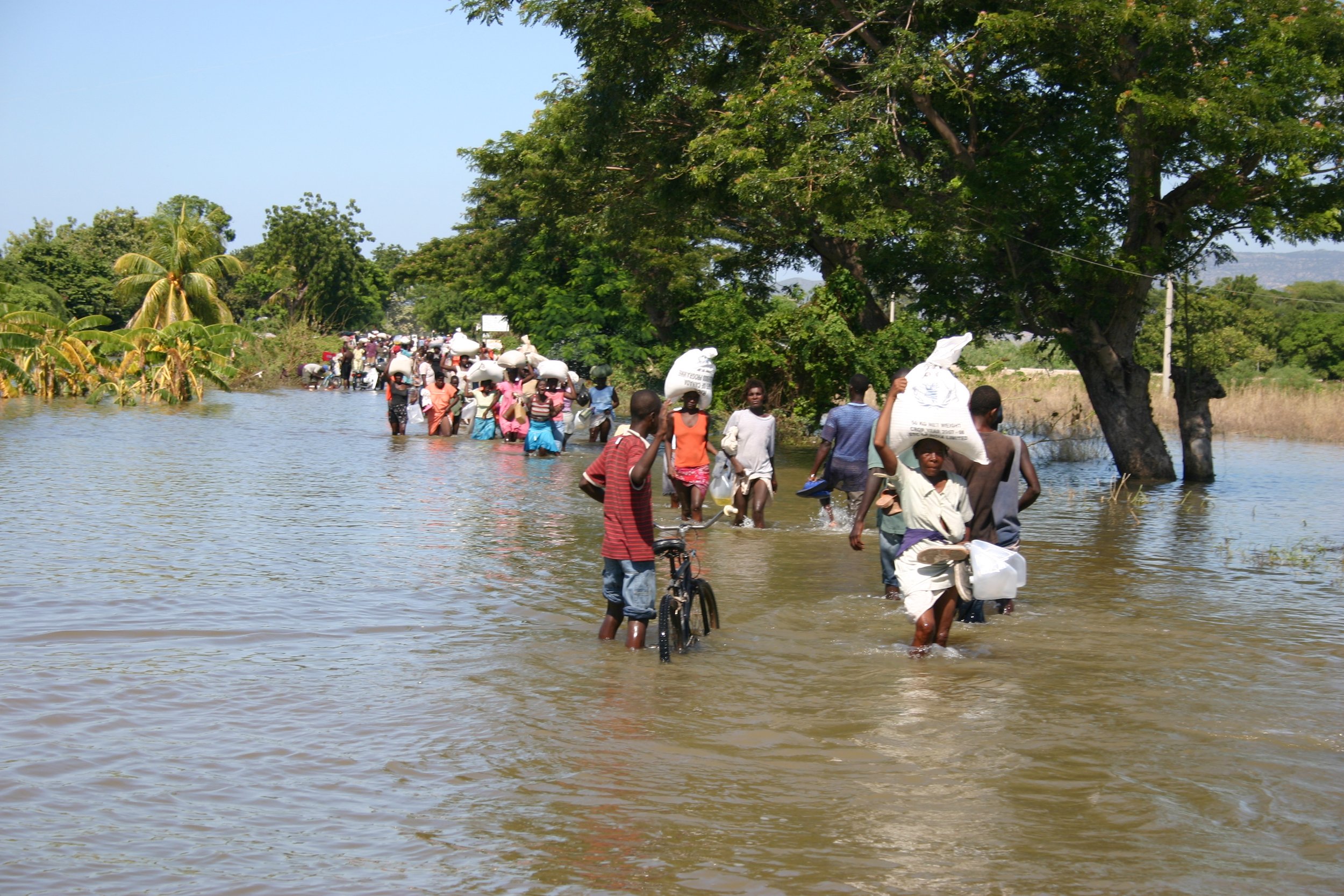
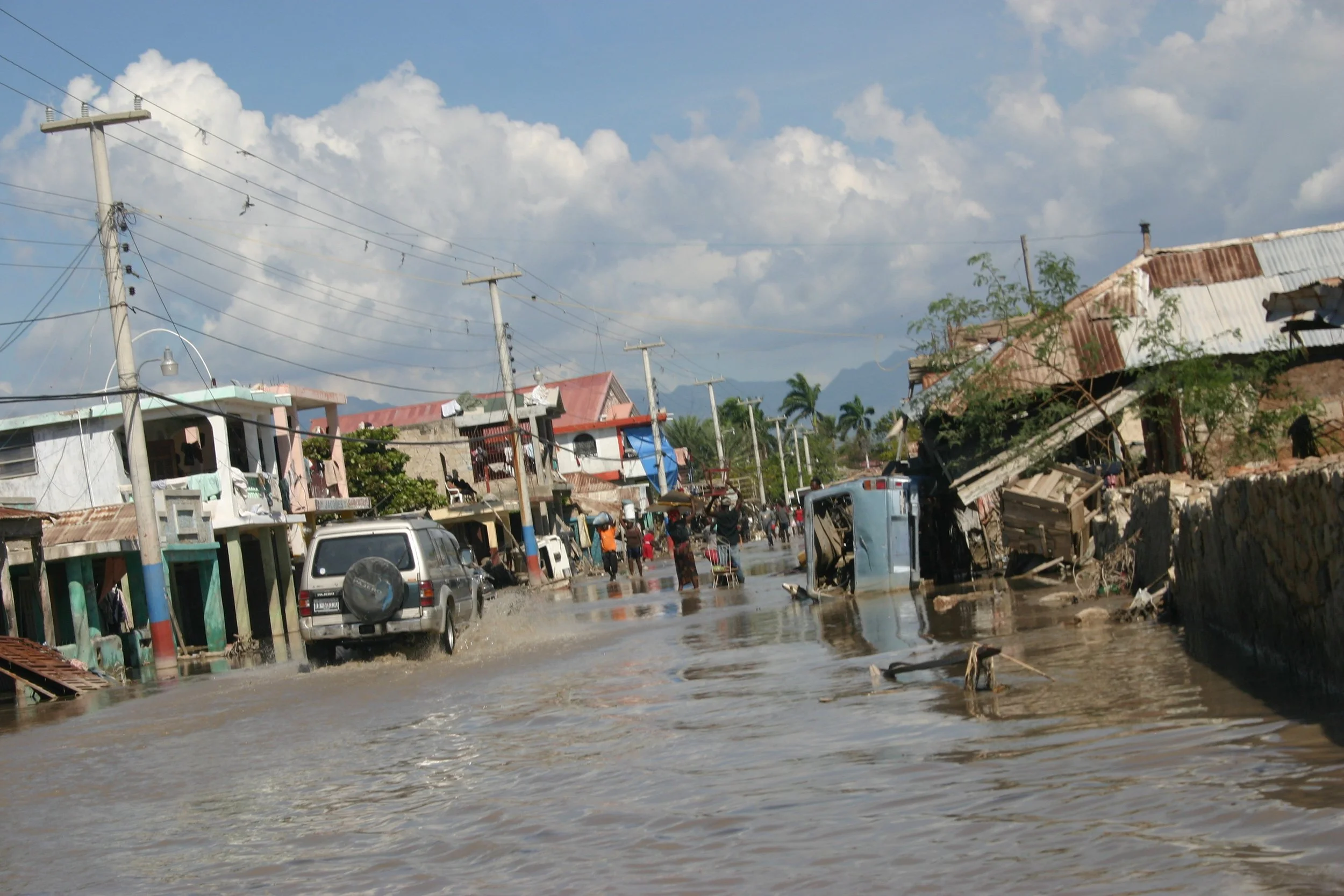
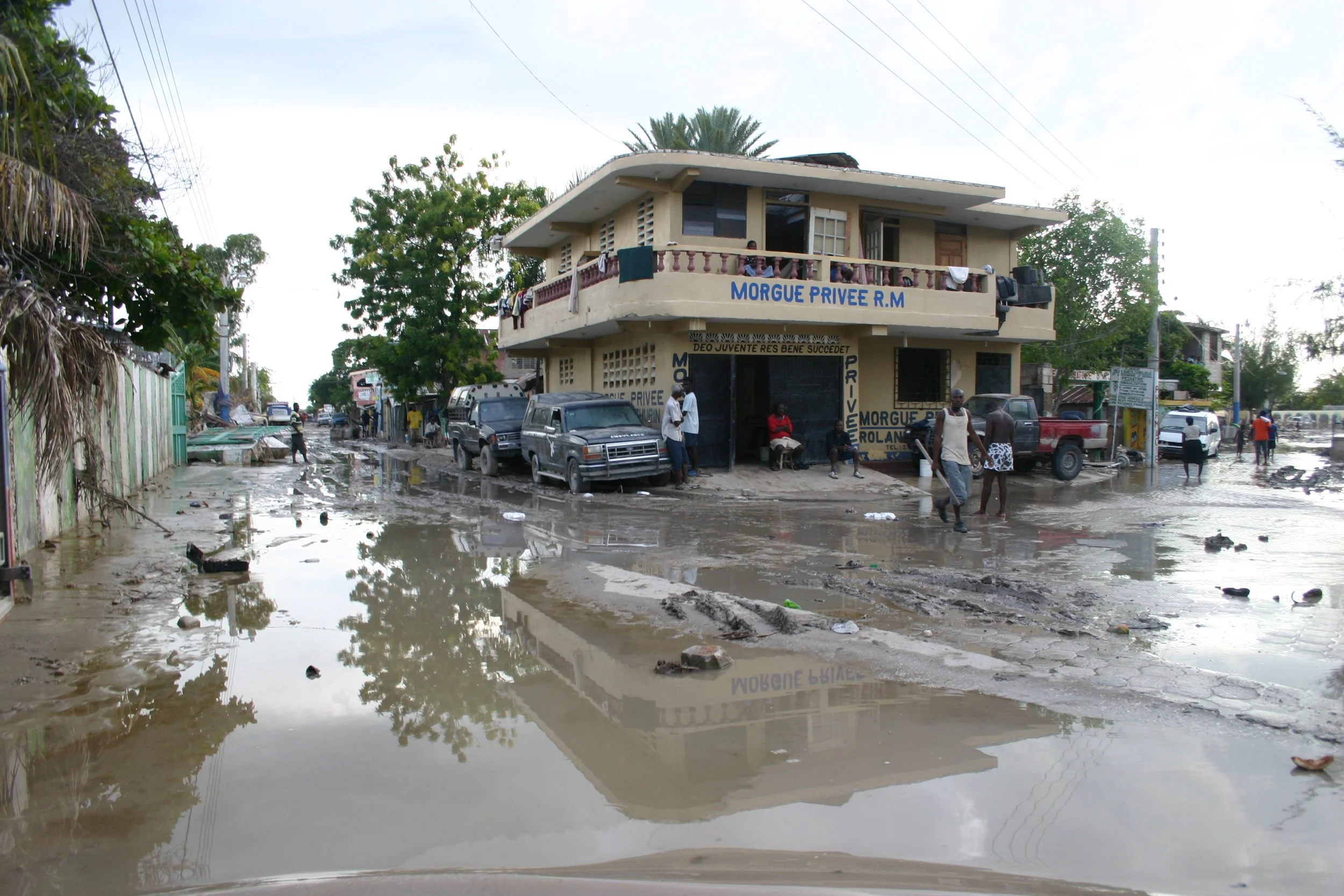
In 2008, Haiti was struck by four major storms in rapid succession—Tropical Storm Fay, Hurricane Hanna, Hurricane Gustav, and Hurricane Ike—compounding an already fragile infrastructure and triggering widespread devastation.
Severe deforestation left the country’s hillsides unable to absorb rainfall, causing catastrophic flooding—particularly in Gonaïves—and amplifying the destruction.
The impact was staggering: nearly 800 lives lost, more than 100,000 homes destroyed or damaged, 800,000 people affected, and 70% of crops wiped out—fueling widespread food insecurity and long-term hardship. The storms caused over $1 billion in damage, representing more than 5% of Haiti’s GDP.
At the time, the foundation—then operating as One5—was already on the ground. In response, the team rapidly mobilized emergency medical support, delivering critical supplies and deploying “leave-behind” medical kits to equip local providers with the tools needed for continued care.
This response reflects a core principle that continues to guide the foundation’s work: act with urgency in moments of crisis, while investing in the systems communities need to recover and rebuild.
A Model for Lasting Impact
The Haiti Project reflects Solventas Foundation’s enduring approach to philanthropy—one rooted in partnership, accountability, and long-term investment. By integrating healthcare, housing, education, and community support, the initiative demonstrated how aligned efforts can create meaningful, lasting change.
What began in Haiti helped shape a broader philosophy that continues to guide the foundation today: invest in solutions that strengthen systems, empower local leadership, and expand opportunity for generations to come.